
How Bench Warrants Work in Grand County
A bench warrant is a judge's order tied to a court obligation you did not meet. In Grand County, that usually means a missed citation date or a no-show after a summons, though other court-directed steps can trigger one too. The issuing court holds all the cards here. It decides when a warrant issues and when one comes off. The Sheriff serves the paperwork but cannot recall it. Utah's own materials stick to plain labels: bench warrant, warrant of arrest, failure to appear. You will not see "capias pro fine" in county sources. So before you pay anything or show up anywhere, trace the result to its court and case number first.
Grand County Citation Dates and Bench Warrants
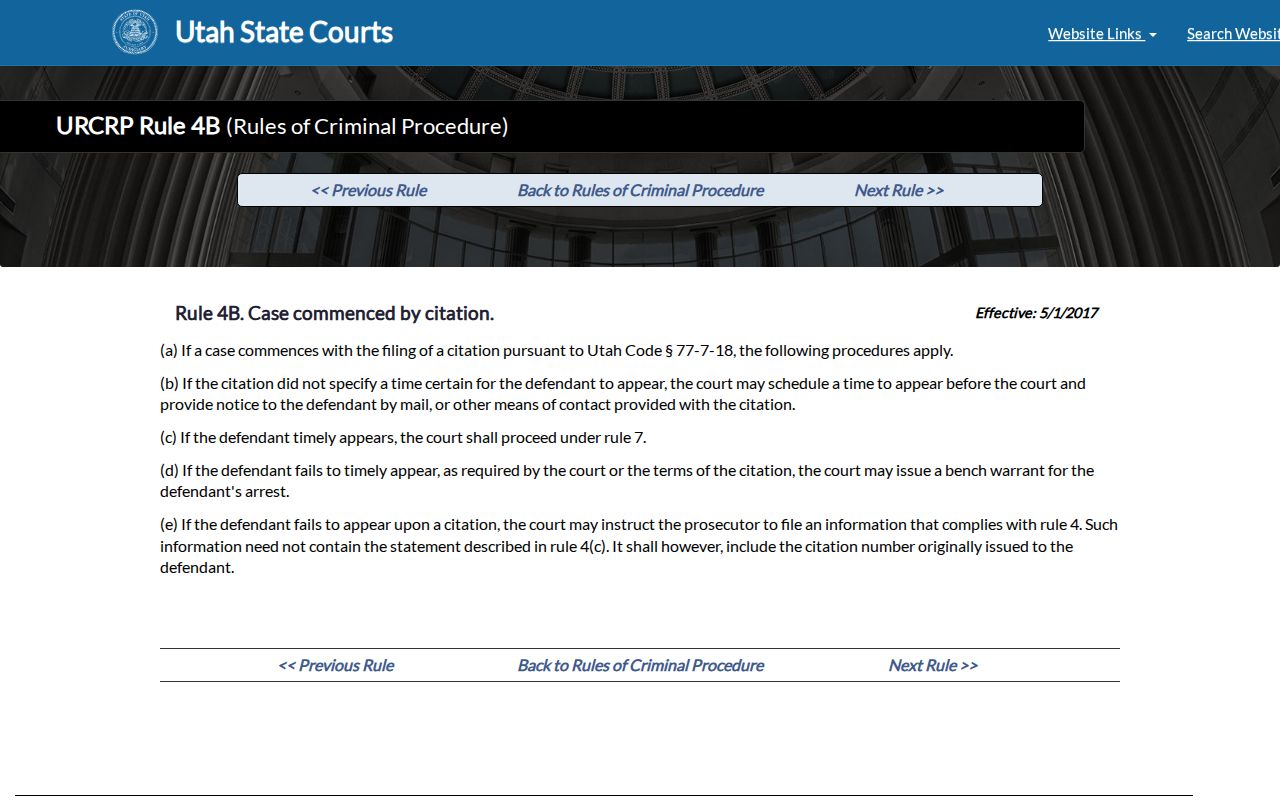
Traffic citations in Grand County run on a strict clock. Payment is due within 21 calendar days. Miss that and a $50 delinquency fee lands on the ticket. Let it sit another 15 days past delinquency and the county adds $75 more and issues an arrest warrant. The local page spells out that sequence in those words. For the court-side procedure, Utah Rule 4B is the authority, laying out what happens after a citation failure to appear. The Utah Rule 4B official text covers that process on the rule page itself, which is court procedure rather than any case record. It shows the steps a judge follows after a missed date.
Call Grand County Justice Court before you assume anything about a total or a required appearance. The clerk can confirm both.
Bench Warrant Issuance in Grand County
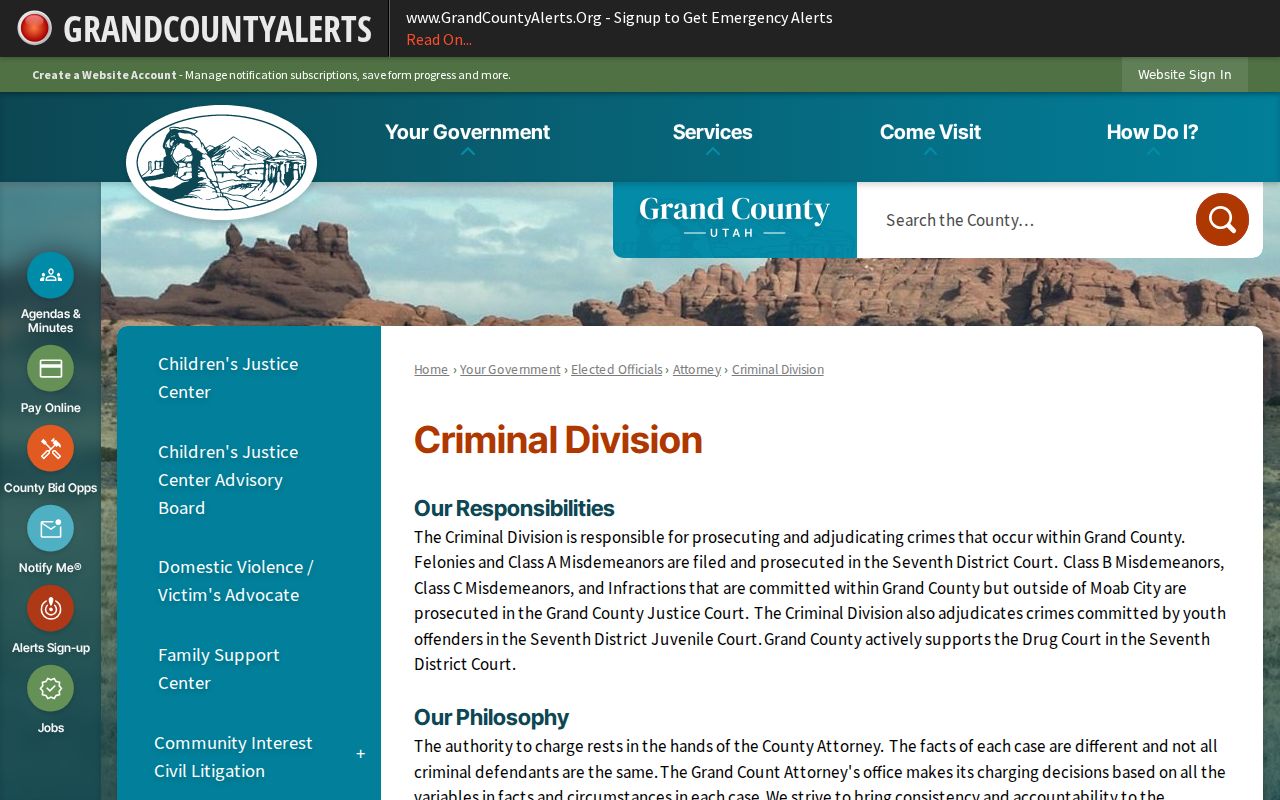
A citation or summons tells you when the court wants you there. Skip it, and the consequences stack up. Under Utah Rule 4B, failure to appear on a citation can bring a bench warrant. In a district criminal case, Rule 6 lets the judge issue a warrant after a missed summons as well. Once the judge acts, the clerk records it and reports qualifying warrant changes into state systems. Which court you deal with depends on the charge. Grand County Justice Court takes traffic, infractions, and Class B and C cases, including river-runner safety citations. Seventh District Court handles felonies and Class A misdemeanors. The Grand County Criminal Division information lays out that jurisdiction split and where each case type routes.
The case class points to the clerk who can confirm the order.
Why the Grand County Court Clerk Matters
Both courts sit in the same courthouse at 125 E. Center Street in Moab. So does the County Clerk/Auditor. That closeness trips people up. The county page is plain that this office is not a court clerk, so a question asked at the wrong desk may just get you pointed across the building or told to call someone else. Justice Court's public page names its case types and lists 435-259-1334. The Clerk/Auditor page likewise sends court questions to the separate court clerks. When you call, use the issuing court's name exactly as it appears on the citation or state result.
Justice Court
Traffic, infractions, Class B/C, and small claims
435-259-1334
Seventh District Court
Felony and Class A case files
435-259-1355
How Bench and Arrest Warrants Differ
A bench warrant usually follows a no-show or a ignored court direction. An arrest warrant is different. It comes after a judge reviews probable cause and decides a warrant should issue rather than a summons. One person can hold both types in separate cases, so a single label never tells the whole story. Grand County treats them as distinct orders.
| Question | Bench or FTA warrant | Arrest warrant |
|---|---|---|
| Common trigger | Missed date or court obligation | Probable cause and warrant necessity |
| Local example | Traffic citation or missed summons | Felony or Class A case |
| Who controls it | Court that set the date | Issuing magistrate and case court |
| Next step | Ask about reset, payment, recall, or appearance | Ask about release terms and counsel |
Both orders require confirmation with the court that issued them.
Civil Bench Warrants Beyond Traffic Cases
Not every bench warrant traces back to a traffic ticket. Utah's court self-help material describes a civil route: after proper service, a person who skips a supplemental proceeding may face a civil bench warrant and bail. That is not the same thing as a Grand County traffic failure to appear. A civil order may involve a constable or a deputy sheriff and a later hearing. Grand County publishes no standing order or county-specific list of every bench-warrant trigger, so the notice itself matters. Read the issuing court and case type before you lean on traffic instructions. Ask that clerk what the warrant requires and whether bail or a new date applies. And drop "capias" from your vocabulary here. The local materials use bench warrant, arrest warrant, and failure-to-appear language instead.
Clearing a Bench Warrant in Grand County
Call the issuing clerk before you show up anywhere. Ask what the court wants: payment, a reset date, a motion, bond, or a personal appearance. Grand County lists no walk-in surrender desk, recall form, warrant bond window, or local bond schedule. A phone call can point you to the right place, though a call alone never recalls a warrant. On a traffic matter, confirm the full total, including the $50 and $75 delinquency steps. The courthouse takes personal check, cashier's check, money order, or credit card for citation payment, and the official payment vendor charges 2.5% with a $2.50 minimum. Ask whether payment covers the fine only or also recalls the warrant.
Keep the court receipt or docket entry. A paid citation and a recalled warrant are separate facts until the court confirms both.
Grand County Warrant Recall After Payment
Paying through the Justice Court vendor settles the citation or case money, and that is all it does. Grand County offers no published bond portal through that system. A bench warrant can stay active even after the cash is paid, because an appearance, a recall order, or a license step may still be pending. Only the issuing court can say what actually clears the warrant. Ask the clerk directly, and ask whether the court sends a separate update to the statewide warrants file. If a traffic failure to appear touched a Utah license, the DLD may require court fees, a docket showing the FTA cleared, and a $40 reinstatement fee. That license work does not prove the warrant was recalled. Get written proof from the clerk and keep it.
Grand County Courts That Issue Bench Warrants
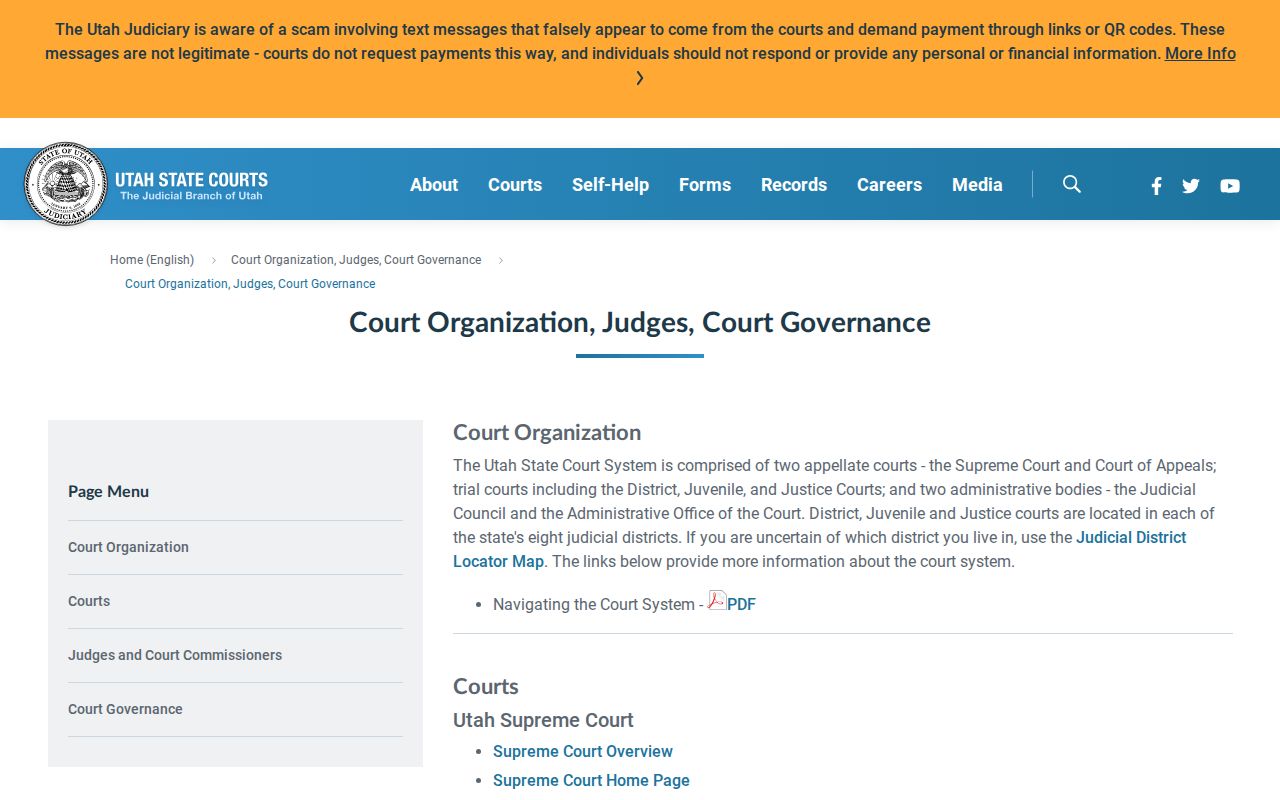
Two courts handle most criminal cases in Grand County. Justice Court takes traffic tickets and local misdemeanants' matters; Seventh District Court handles the rest. Juvenile cases run through Seventh District Juvenile Court and stay out of any normal public lookup. Moab has police and ordinance authority, though no separate public municipal court or warrant search exists there. Call the court line printed on the citation. The county's Justice Court page covers traffic and misdemeanor matters, while felony or Class A cases belong to the Seventh District Court directory. Case class decides your contact. The Utah Courts court-level guide lays out the full state hierarchy, court by court.
A Grand County warrant may show up in the statewide file, but that file cannot replace the issuing court's current docket.
Before a Grand County Bench Warrant Appearance
Start by writing down the court, the case number, and the missed date. Then call the Grand County clerk and ask what the court will accept: payment, a new date, or a personal appearance. For custody or service questions, the Sheriff and jail line is 435-259-8115. The jail is listed 24/7. Public materials do not say surrender or bond payment is accepted at all hours, so confirm before you go.
- FTA
- Failure to appear as ordered by a citation, summons, or court notice.
- Recall
- The issuing court withdraws the warrant.
- Bond
- A court-set release condition; the local amount must be confirmed.
Once the Grand County court acts, keep the order or docket line, then recheck the Utah Statewide Warrants Search yourself.