
Inside the Grand County Most Wanted Program
Grand County publishes no most-wanted program. Nothing in the county, Sheriff, Justice Court, Moab, or Utah Courts materials shows a curated wanted roster or a reward-backed tip line. The Sheriff's site does carry a general link to America's Most Wanted, but that is an outside site, not a local partnership or a county list. It names no Grand County fugitive and asks for no local tips. So where does a reader turn? The statewide warrants search is the real public tool, and the issuing court confirms what it returns. Until an agency in Grand County posts its own roster, no official local wanted list exists to check, and any names floating on outside sites carry no county authority behind them.
No Verified Grand County Wanted Roster
The Grand County Sheriff's official page lists the office address and main contact, but no most-wanted roster or dedicated tip number. The county also runs no roundup, amnesty week, reduced-fee event, or active-list vendor. That says nothing about whether a warrant exists. A blank spot on a public page is not a clean bill. Run your own check through the Utah Statewide Warrants Search first. For service or custody questions, call the Sheriff at 435-259-8115. If a case appears, the issuing clerk holds the record and controls how it gets resolved, so that office is the one to contact next.
How Grand County Most Wanted Lists Work
A most wanted page and a warrant database do two different jobs. The first is a hand-picked lineup an agency puts out, usually with tips on how to report a sighting. The second is a wide, court-fed search that pulls in qualifying warrants from across the file. In Grand County, the sources feed the state search but say nothing about how a local list gets built, how often it changes, whether rewards apply, or which agencies pitch in.
No Grand County program shows up, so there is no local roster to walk through field by field. Quick links on the Sheriff page are not proof of a county list. Names and photos from outside rosters do not add up to a Grand County program either.
State Search Versus a Most Wanted Page
BCI runs the Utah Statewide Warrants Search as a free public name lookup for anyone wanted in Utah. It pulls qualifying felony, misdemeanor, infraction, and traffic failure-to-appear warrants from court updates. Grand County readers get the same tool as everyone else. But it is a database, not a curated most-wanted selection, and a hit there does not make someone a featured fugitive or the target of a local tip appeal.
| Resource | What it represents | Local use |
|---|---|---|
| Utah Statewide Warrants Search | Broad public file of qualifying warrants | Start a self-check, then confirm with the court |
| County most-wanted roster | Agency-selected public list and tip route | No verified Grand County roster found |
| Grand County Sheriff page | Office, jail, and records contacts | Service or custody question, not a live list |
No public update cadence or county list export was found.
Sending a Most Wanted Tip Safely
Grand County has no tip line tied to a local wanted roster, and no published reward or anonymity terms. So skip the commercial sites. Do not send a tip to an unverified page or reach out to someone because a listing named them. Emergencies go to 911, full stop. For non-emergency service or custody questions, the Sheriff lists 435-259-8115. If Grand County ever launches an official program, its notice will spell out the basics: which agency runs it, the phone or secure form to use, whether tips stay anonymous, any reward terms, and a plain warning not to approach anyone. Those details do not exist yet, so no local program terms can be given here. Until then, the Sheriff's number and the state search cover what a Grand County resident can safely do.
Use an official agency channel only. Never approach a person or share a private record from a name match.
BCI’s Grand County Warrant Self-Check
The BCI landing page links straight to the Utah Statewide Warrants Search. The portal keeps its live fields to itself, so do not count on any exact first-name, last-name, or date-of-birth layout until you open it. Whatever a search returns, match it with the issuing court before acting. The file can change after issuance, service, recall, cancellation, or modification, and BCI warns that accuracy and timing depend on how courts enter and remove records. A blank search never proves a warrant is absent. An old result may be stale. For a confirmed Grand County hit, the court you call depends on the charge: Justice Court handles traffic and Class B/C cases at 435-259-1334, while the Seventh District Court clerk handles felony and Class A cases at 435-259-1355.
Most Wanted and Active Warrants
An active warrant is a court status. A most-wanted listing is a publicity choice, an agency asking the public for help finding someone. One does not imply the other. Grand County has the state warrant search but no local curated roster, so treat any 'most wanted' page claiming to cover the county with suspicion. The distinction matters for another reason: search results are not a license to investigate another person. A name match can be wrong. A court entry can change overnight. If the result involves your own case, the issuing clerk is the call to make. The Grand County active warrant information page explains the state file and where its status answers end.
Federal Fugitive and Grand County Warrant Records
Federal warrants travel a different track entirely, with their own courts and their own law-enforcement arm. The U.S. Marshals Service District of Utah handles federal fugitive work, but neither a Grand County federal warrant roster nor a Moab-specific warrant desk exists. A federal resource cannot replace the local Justice Court or the state search for a Grand County case. The Marshals and the federal courts simply do not publish a county-level wanted list here. Where the federal system does help is orientation: District of Utah court locations identify the federal court system. That page shows where federal courts sit, not where a person is and not the status of any warrant.
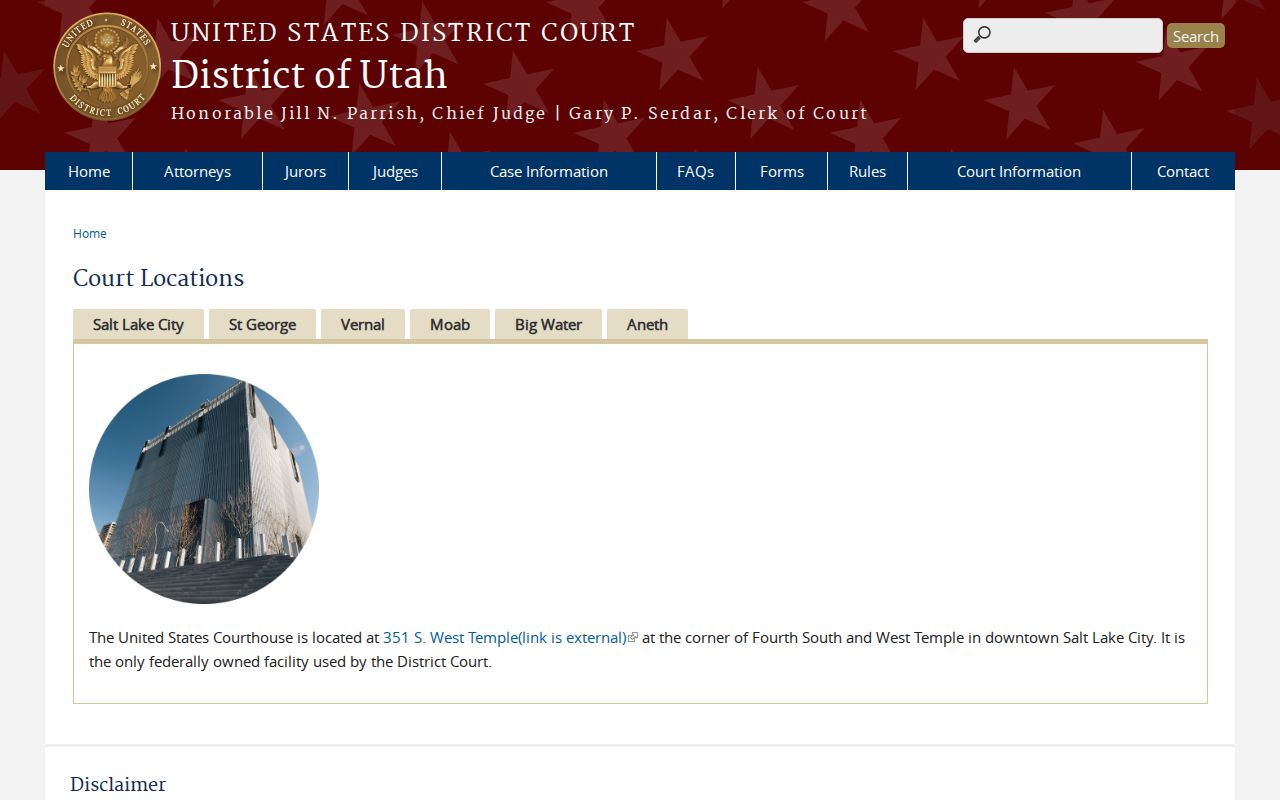
A PACER search works only when a federal case is already known. It returns docket detail, not a Grand County warrant check. The official PACER fee page lays out what docket access costs per page and per search.
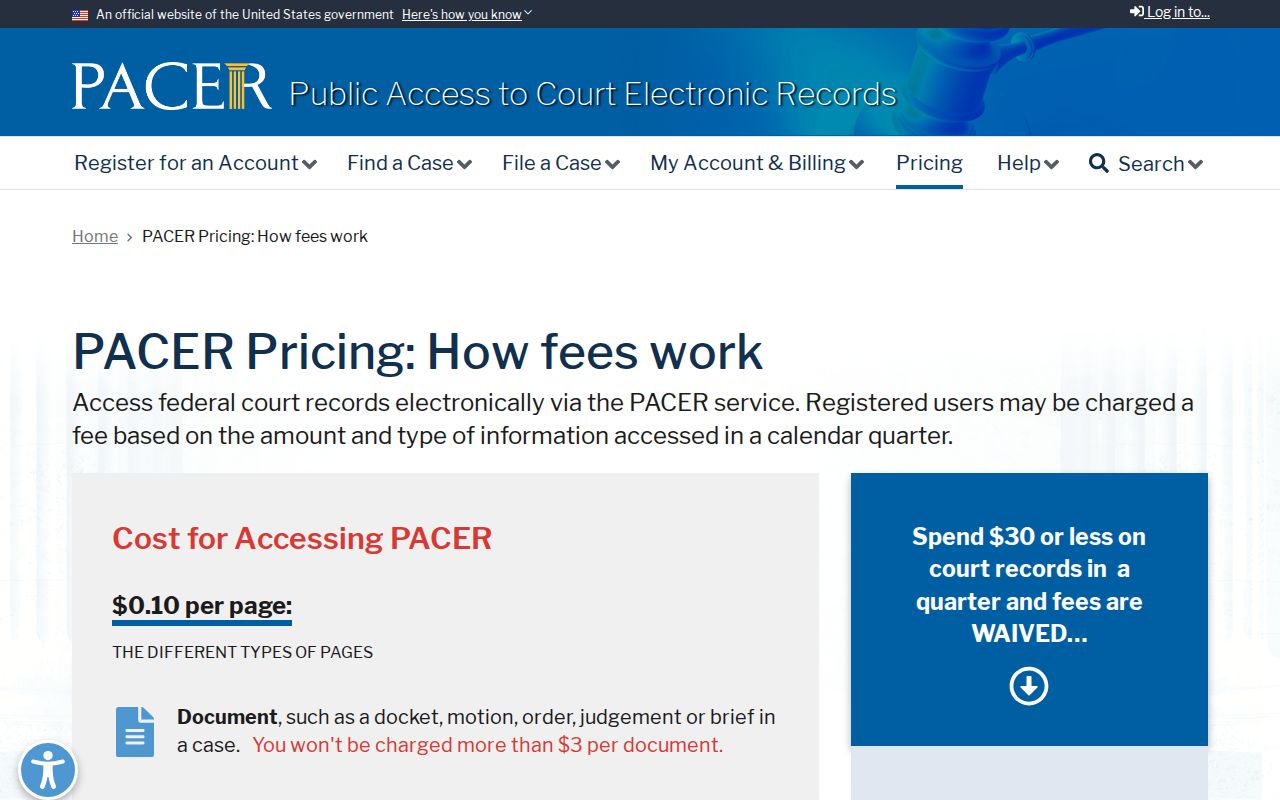
Some federal filings stay sealed or unavailable, so an empty docket search never proves that no federal warrant exists against a Grand County name.
Grand County Wanted Lists Are Not Complete
Treat any wanted roster as a selected public notice, never a complete warrant file. If a Grand County agency posts a list, some state-system records will still be missing from it. Sealed files stay off. Juvenile records stay off. Entries added yesterday may not appear, and records already updated in court can lag behind. The county publishes no warrant total, no pagination, no export option, and no refresh schedule. A quiet docket does not mean a list is exhaustive or current by any fixed interval. Until an official notice is verified, link nothing, and never copy names or photographs from a wanted page.
When You Believe You Are Listed
A listing that seems to be about you is not a reason to approach anyone or act on a copied image. Write down the official page and any case number first. Then call the court or an attorney. The Justice Court handles local traffic and misdemeanor questions. The Seventh District clerk covers felony and Class A files. The Sheriff can explain execution or booking, but cannot replace court advice. Helping a family member means using information you are authorized to handle and asking the issuing court about status and procedure. Keep every docket order or receipt once the court acts. A Grand County listing by itself says nothing about release terms or your next appearance date.
Do not use a public listing to confront or follow anyone. Contact law enforcement if there is an immediate safety concern.
The Grand County warrant records home page gathers the court, Sheriff, and state search routes in one place.